

If you've started reading children's supplement labels, you've probably seen lutein, often next to a second name, zeaxanthin. Lutein for kids is a newer topic for many parents than calcium, so here's a plain explanation of what lutein and zeaxanthin are, where they are found in the body, the lutein foods for children that are easy to serve, and what to look for on a kids' lutein supplement label.
What is lutein?
Lutein is a carotenoid: a natural yellow pigment made by plants. It's part of the same family of pigments that gives many fruits and vegetables their colour. Lutein is not one of the carotenoids the body turns into vitamin A. The body can't make lutein, so it comes from what we eat.
Lutein and zeaxanthin: what's the difference?
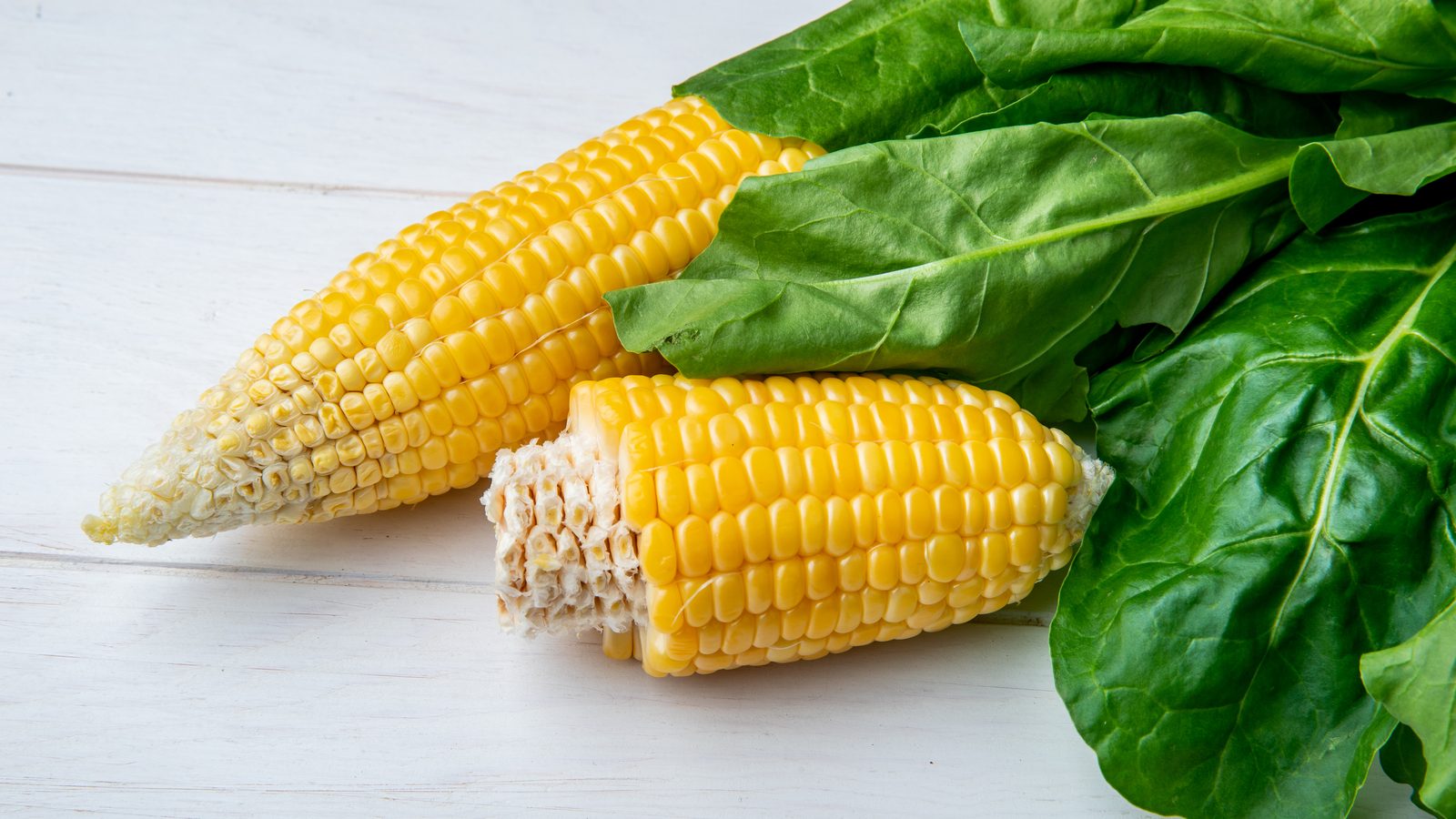
Zeaxanthin is lutein's close relative. The two are usually found together, in food and in the body, which is why labels often list them side by side. Corn is a notably rich food source of zeaxanthin. Meso-zeaxanthin, which you may also see on a label, is a form of zeaxanthin.
Where are lutein and zeaxanthin found in the body?
Lutein and zeaxanthin are nutrients naturally found in the macula, the small central area of the retina at the back of the eye. They are the pigments behind the macula's other name, the "yellow spot".
Lutein foods for children
Green leafy vegetables such as spinach and kale are among the richest everyday sources of lutein. Corn and egg yolk are also good sources, and corn is a notable source of zeaxanthin. Here are the lutein foods for children that are easiest to fit into family meals:
| Food | Easy way to serve it |
|---|---|
| Spinach | Stirred into a clear soup or porridge |
| Kale | A handful blended into a fruit smoothie |
| Sweet corn | In fried rice, soup or an omelette |
| Egg | Scrambled, boiled or steamed at breakfast |
| Parsley | Chopped and sprinkled over pasta or rice |

Lutein is fat-soluble, so cooking greens with a little oil, or serving them with egg, is a simple kitchen habit.
A week of lutein-friendly ideas
| Day | Idea |
|---|---|
| Monday | Spinach and egg porridge |
| Tuesday | Corn and egg fried rice |
| Wednesday | Clear spinach soup with tofu |
| Thursday | Steamed egg with corn |
| Friday | Green smoothie with banana and spinach |
| Saturday | Omelette with spinach and cheese |
| Sunday | Corn soup with egg drop |
Is there a recommended amount of lutein for children?
Lutein doesn't appear in the Recommended Dietary Allowances published by Singapore's Health Promotion Board, so there is no official daily target for lutein for kids. That's one reason the amount on a kids' lutein supplement label matters.
What to check on a kids' lutein supplement label
- A named amount of lutein per serving, in milligrams
- Whether zeaxanthin is included, and how much
- The lutein ingredient used, if it is named
- The age range the product is formulated for
- When to take it, and how many servings a day
- The allergen information
What is FloraGLO® lutein?
FloraGLO® is a branded lutein ingredient. It is the lutein used in both Heilebär lutein formulas, paired with zeaxanthin.
How Heilebär Liquid Lutein fits in
Heilebär makes two liquid lutein formulas for kids, developed separately for two age groups, each in a ready-to-drink 15ml sachet:
- Liquid Lutein 1–6: 5mg FloraGLO® lutein with 1mg zeaxanthin per sachet (a 5:1 ratio), plus bilberry and New Zealand blackcurrant extracts. Suitable from age 1.
- Liquid Lutein PLUS 6–18: a separate formula for older children and teens, with FloraGLO® lutein, zeaxanthin and four berry extracts: bilberry, New Zealand blackcurrant, Chilean maqui berry and açaí.
Both are taken once a day, 30 minutes after breakfast. If you're considering lutein for kids, start with food, then use the label checklist above. A supplement is not a substitute for a varied diet, time outdoors, good eye-care habits or regular eye checks.